Avoid loading bay fines: Gunnersbury moving van rules
Posted on 29/07/2026
If you are planning a move in West London, the margin for error can be tiny. A van that arrives five minutes late, a loading bay that is busier than expected, or a permit detail missed in the rush can turn an otherwise neat move into a costly headache. That is exactly why understanding Avoid loading bay fines: Gunnersbury moving van rules matters. It is not just about parking. It is about keeping the move moving, protecting your budget, and avoiding those awkward moments when a driver is circling the block while you are staring at a sofa in the hallway.
Gunnersbury has a mix of residential streets, flats, station-adjacent routes, and busy commuter traffic. So, yes, the rules around loading bays and moving vans can feel a bit fiddly. But once you know the basics, it becomes much easier to plan properly and avoid unnecessary fines. In this guide, we will walk through what loading bay rules usually mean in practice, where people slip up, and how to make a van move smoother from the first box to the last hand trolley.
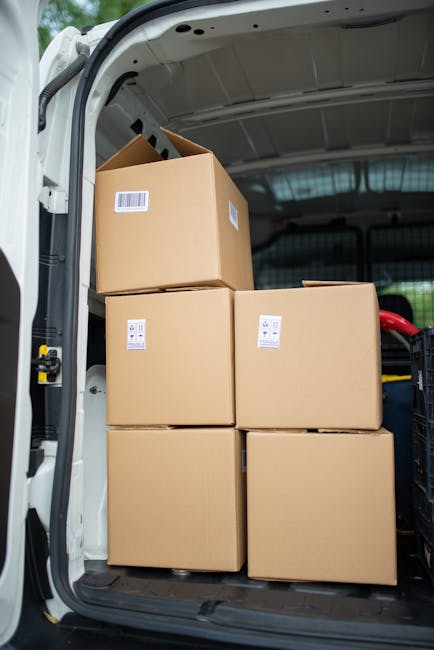
Why Avoid loading bay fines: Gunnersbury moving van rules Matters
Loading bays exist to keep traffic flowing while giving drivers a short, sensible place to load or unload. That sounds simple enough, but moving day rarely behaves itself. A house move often involves more people, more items, and more time pressure than a normal delivery. If you assume a loading bay is "just there to use," you can quickly run into restrictions you did not expect.
In Gunnersbury, that matters for a few reasons. First, the area sits within a busy part of London where parking space is often at a premium. Second, moving vans and man-and-van vehicles are exactly the kind of vehicles that attract attention when they are parked in the wrong place or overstaying an allowed window. Third, even a minor issue can snowball: delayed unloading, extra carrying distance, and then the driver gets moved on or ticketed. Not ideal. Not fun.
Truth be told, the real cost of a fine is not only the penalty itself. It is the knock-on cost: slower access, extra labour, stressed neighbours, and a move that feels chaotic from the outset. If you are preparing a flat move, a house move, or even something more specialist like a piano move, having a clear parking and unloading plan can save the day. If you want a broader sense of how to reduce moving-day friction, our stress-free moving strategies piece is a good companion read.
Key takeaway: the safest approach is to treat loading bay access as a planned operational step, not a last-minute parking gamble.
How Avoid loading bay fines: Gunnersbury moving van rules Works
The basic idea is straightforward: a loading bay is for active loading or unloading, not for casual parking. But the exact conditions around when you can stop, how long you can stay, and whether you need a permit or a waiver can vary by street, timing, and local enforcement rules. That is why you should never assume the same arrangement applies everywhere in Gunnersbury.
In practical terms, a moving van should be positioned so the loading activity can happen efficiently and safely. If your van is blocking access, overstaying a loading window, or parked where a restriction still applies, that is where fines tend to appear. And yes, the ticket can arrive even when you thought you were being sensible. Councils and parking enforcement officers are usually interested in what the vehicle was doing at the time, how long it remained, and whether it was clearly engaged in loading.
Here is the bit many people miss: it is not enough for the van to simply be outside the property. The unloading process itself matters. A van that sits idle while someone hunts for keys, waits for lift access, or takes twenty minutes to locate the right door code can look a lot less like active loading. If access is uncertain, plan for that in advance. Our article on lost keys and access issues during Gunnersbury moves covers that kind of snag in more detail.
For moves near busier transport points, timing gets even more important. Around the station area, traffic and stopping space can be tight, so route choice and arrival order matter. If that sounds familiar, take a look at local route tips near Gunnersbury Station.
Typically, the moving process works best when you split it into three simple stages:
- Arrival and positioning - the van stops in the most appropriate legal loading spot.
- Active loading or unloading - items are moved immediately, with as little dead time as possible.
- Exit or renewal - the vehicle leaves promptly or the arrangement is lawfully extended if that is allowed.
That last bit is where many fines happen. People assume they can "just finish off one more load." That one more load can cost you. Bit annoying, really.
Key Benefits and Practical Advantages
Getting loading bay compliance right is not just about avoiding penalties. It creates a better move from start to finish. The benefits are practical, immediate, and honestly quite noticeable on the day.
- Fewer delays because the van is positioned where unloading can happen quickly.
- Lower risk of fines from overstaying, misusing the bay, or parking in a restricted space.
- Less manual carrying when the van can stop close to the entrance.
- Safer handling since items spend less time being carried long distances on busy pavements.
- Better neighbour relations because the move looks organised rather than disruptive.
- Less stress for everyone - and that counts more than people admit.
A well-planned loading bay setup can also improve how other parts of the move unfold. For example, if you have already labelled boxes properly, the load can be sequenced faster. If your larger items are protected and ready first, the team spends less time in the road. That ties neatly into packing the right way before moving day.
If you are moving bulky furniture, the gain is even clearer. Sofas, beds, wardrobes, and white goods are awkward enough without adding a long carry from a side street. For furniture-heavy moves, a planned bay stop can save a surprising amount of energy and time. If that sounds like your situation, see furniture removals in Gunnersbury for the kind of support that suits larger items.
Who This Is For and When It Makes Sense
This guidance is useful for almost anyone moving with a van in Gunnersbury, but some people need it more than others.
You should pay close attention if you are:
- moving from a flat with limited street access;
- arranging a same-day or short-notice move;
- using a man and van service for a quick turnaround;
- relocating close to a station, main road, or busy junction;
- moving a piano, large sofa, or bed frame that needs immediate unloading;
- sharing access with neighbours, landlords, or building staff;
- working to a narrow time slot for lift access or concierge arrangements.
Students and renters often feel this most sharply because their moving windows can be very tight. A single parking mistake can eat into the whole day. If that is you, it may help to read student removals in Gunnersbury alongside this guide.
Businesses moving office equipment, meanwhile, need another layer of discipline. Office moves often involve loading bays, building rules, and strict access windows. If you are shifting desks, archive boxes, or IT equipment, the same basic principle applies: stage the vehicle correctly and keep the unloading flow moving. Our office removals service page is relevant there.
Step-by-Step Guidance
If you want the simplest possible route to avoiding fines, use this process. It is not fancy, but it works.
1. Check the address and the street layout
Before moving day, look at the exact property location and think about where a van can safely stop. Some streets in Gunnersbury are more forgiving than others. A bay may be nearby, but the access point may still be awkward because of traffic flow, road width, or nearby restrictions.
2. Confirm whether a loading bay is actually suitable
Not every bay is meant for long loading periods, and not every parking space is for moving vehicles. Make sure the location is fit for a short, active loading operation. If you are unsure, plan a fall-back spot as well. Because honestly, a backup plan is what saves moves.
3. Build your loading order around the vehicle stop time
Put the largest and heaviest items first in your plan. That means beds, wardrobes, white goods, and bulky furniture should be ready before the van arrives, or at least be easy to access quickly. If you are moving a bed or mattress, our guide to moving your bed and mattress can help you prepare the awkward stuff in the right order.
4. Reduce the number of trips between property and van
The fewer trips you make, the better. Use trolleys, protect fragile items in advance, and group boxes by room. If you want some lifting technique support, the article on kinetic lifting basics is useful for reducing strain.
5. Keep the active loading process visible
If enforcement officers can see that loading is happening, it supports the fact that the vehicle is not simply parked there. That means keeping the movement continuous: no long tea breaks, no wandering off to organise paperwork halfway through, and no "we'll just sort the hallway first."
6. Leave when the bay use ends
When the load is done, move the van on. Do not push your luck. The smoothest move is the one that ends before patience runs out.
Expert Tips for Better Results
These are the small things that often separate an easy move from a frustrating one.
Start earlier than you think. Morning starts are usually calmer than later arrivals, especially in built-up parts of London. The road feels quieter, the pavement is less crowded, and everyone has a bit more patience before the day gets busy.
Protect your loading slot as seriously as your inventory list. People obsess over bubble wrap and box labels, then arrive with no plan for the van. That is backwards. The parking and access part is part of the move, not an afterthought.
Keep the driver and the person inside the property talking. A quick call or message can prevent five minutes of pointless waiting. For example, if the lift is occupied or the front door is stuck, say so immediately. That tiny habit can matter a lot.
Use a removals team that understands local parking pressure. There is a big difference between a casual transporter and an operator who regularly handles tight London loading conditions. If you are comparing options, the removal services overview and the broader services overview pages are a sensible place to understand what is offered.
Keep documents and access details ready. If the bay is reserved, monitored, or subject to building rules, have what you need on hand. Not buried in a kitchen drawer under spare chargers and a receipt from 2019.
Allow a little breathing room. Timetables look neat on paper. Real moves are messy. A ten-minute buffer can be the difference between a calm arrival and a driver having to stop in an unsafe spot.

Common Mistakes to Avoid
Most loading bay fines happen because of avoidable habits. Nothing dramatic. Just little mistakes piling up.
- Assuming any short stop is fine. Short does not always mean compliant.
- Arriving without a plan B. If your preferred bay is unavailable, the pressure increases immediately.
- Underestimating time spent on stairs, lifts, or access checks. Those delays can break the "active loading" pattern.
- Leaving the van unattended for too long. That looks like parking, not loading.
- Trying to move too much at once. Overloaded trolleys and rushed handling can make things slower, not faster.
- Forgetting the building's own rules. Some flats and managed buildings have separate requirements, and those matter too.
- Not coordinating waste removal. Leaving items on the pavement can lead to complaints or council issues. If you are dealing with leftover furniture or disposal, our article on bulky waste in Gunnersbury is worth a read.
One small but common error is thinking the van can wait while the team "just grabs one last thing." That one last thing often becomes ten minutes, then fifteen, and the van is suddenly outside the bay rules. It happens more than people like to admit.
Tools, Resources and Recommendations
You do not need a big toolkit to avoid fines, but a few useful items make the whole process less messy.
- Printed move schedule so everyone knows arrival time and loading order.
- Boxes and labels for faster unloading and less back-and-forth.
- Protective blankets and straps to keep furniture secure on short urban runs.
- Trolley or sack truck for heavy boxes and appliance transfers.
- Phone chargers and contact list so access updates do not get lost.
- Entry instructions for the property, concierge, or building management.
For moving supplies, the page on packing and boxes in Gunnersbury is a practical starting point. If storage is part of the plan because your access window is split across days, storage in Gunnersbury may be useful too.
If you are looking at a move where heavy lifting is involved, the article on lifting heavy loads safely gives a more technique-focused angle. And if you want a better sense of what a well-run move feels like from start to finish, decluttering before a big move and pre-move house cleaning are both useful companions.
Law, Compliance, Standards, or Best Practice
Parking and loading rules can sit under local traffic management and enforcement arrangements, and those rules are not always obvious on first glance. The safest mindset is to treat loading bay use as something that must be actively justified by the move itself. In plain English: if the vehicle is there to load or unload, and it is doing that continuously within the permitted conditions, that is usually the strongest position. If it is there because the team is delayed, uncertain, or taking a long pause, the risk rises.
Because local conditions can change, it is wise to verify the current arrangement for the specific street or bay before moving day. That is especially true around mixed-use roads, station-adjacent routes, and roads where bays may switch purpose or hours during the day. We would be cautious about assuming a general rule will always apply in the same way.
Best practice in the removals industry is simple: plan the vehicle placement, minimise downtime, document access details, and keep the loading activity clear and continuous. Good operators also factor in safety, not just parking. That includes using the right size vehicle, positioning it so pedestrians are not forced into traffic, and avoiding overloading the team with awkward lifts.
For a broader look at service standards and responsibilities, the pages on health and safety policy, insurance and safety, and terms and conditions are relevant background reading. If you are comparing providers, it also helps to understand how pricing is structured, which is covered on pricing and quotes.
Options, Methods, or Comparison Table
There is more than one way to handle a move in Gunnersbury. The right choice depends on access, timing, and how much you are moving. Here is a simple comparison.
| Method | Best for | Strengths | Watch-outs |
|---|---|---|---|
| Street loading bay | Quick flat moves and small house moves | Close access, faster unloading, less carrying | Fines if time or use is not managed properly |
| Rear access or private drive | Homes with direct property access | Less parking pressure, often calmer | May still require coordination with neighbours or management |
| Remote parking with hand carry | Tight streets or unavailable bays | Flexible if no bay is open | Slower, more tiring, more chance of disruption |
| Staged move with storage | Complex moves, renovations, split completion dates | Reduces rush and access conflict | Requires planning and additional handling |
For many Gunnersbury moves, a loading bay is the most efficient option. But if access is unpredictable, a staged move can sometimes be cleaner overall. That is especially true when you are dealing with awkward timings, a lift booking, or a property handover that does not line up neatly. It is not glamorous, but it works.
Case Study or Real-World Example
Here is a typical scenario. A couple moves out of a first-floor flat near a busy road in Gunnersbury. They booked a van for the morning, assuming the bay outside would be enough. On the day, they had boxes ready, but the bigger items were still being dismantled when the van arrived. The driver waited. Then the lift was occupied. Then someone could not find the key to the storage cupboard. Suddenly, what should have been a straightforward loading stop started to look like parking rather than active loading.
They avoided a fine only because they paused, reset the plan, and moved the heaviest items first once access was clear. The van was in and out efficiently after that. A simple adjustment, but it made a real difference.
That kind of example comes up often. Not because people are careless, but because moving day compresses a dozen tasks into one noisy little window. The kettle is boiling, someone is speaking over the phone, and you can almost hear boxes sliding in the hallway. It is easy to lose track of the bay clock. A calm plan saves the day.
If you are interested in how local route planning and access can affect the move itself, the pieces on Chiswick High Road flat moving tips and the Acton Lane to Gunnersbury checklist offer a strong local angle.
Practical Checklist
Use this checklist before the van arrives. It is simple, but that is the point.
- Confirm the exact loading spot and any time limits.
- Check whether the route has traffic or access restrictions.
- Make sure keys, fobs, and entry codes are ready.
- Pack the largest items first or have them dismantled in advance.
- Label boxes by room to speed up unloading.
- Keep trolleys, straps, and blankets within easy reach.
- Have a phone charged and on hand for access updates.
- Tell neighbours or building contacts when the van will arrive if needed.
- Clear pathways inside the property so loading can continue without stoppages.
- Plan a backup parking option in case the bay is full or unavailable.
- Move the van as soon as loading is finished.
- Do not leave waste or unwanted items blocking the pavement.
Quick reminder: if access is complex, building rules may matter as much as street rules. Check both. People sometimes forget that bit, and then spend the morning untangling avoidable problems.
Conclusion
Avoiding loading bay fines in Gunnersbury is mostly about preparation, timing, and knowing that a moving van is not the same as a car nipping in for a quick stop. When you treat the loading bay as part of the move logistics, not just parking, everything gets easier. The van spends less time waiting. The team stays focused. You keep control of the day instead of letting the day control you.
That is the real value here. Not just avoiding a ticket, but creating a move that feels measured and manageable, even when the street is busy and the boxes are stacked a bit too high. If you are planning a flat move, a family house move, or something with delicate items like a piano, the best next step is to line up access, schedule, and vehicle placement before anything else. Small detail, big payoff.
Get a free quote today and see how much you can save.