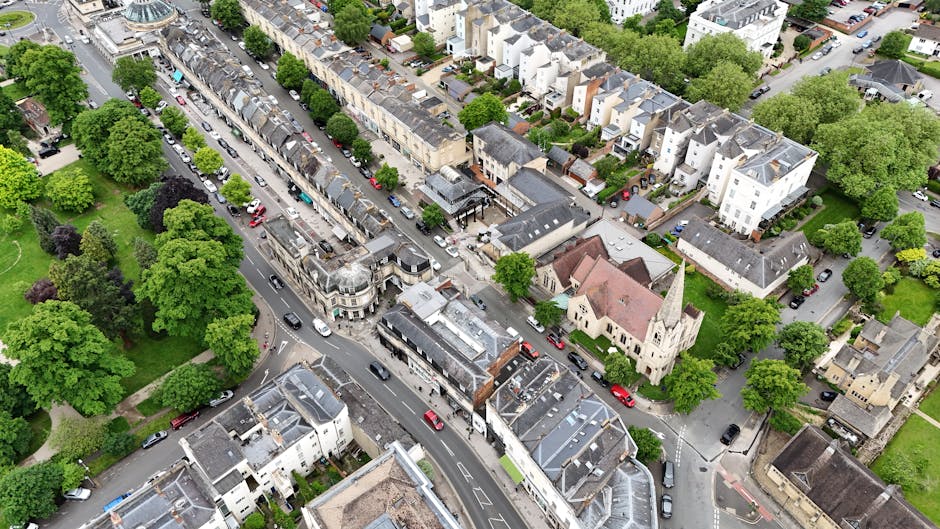
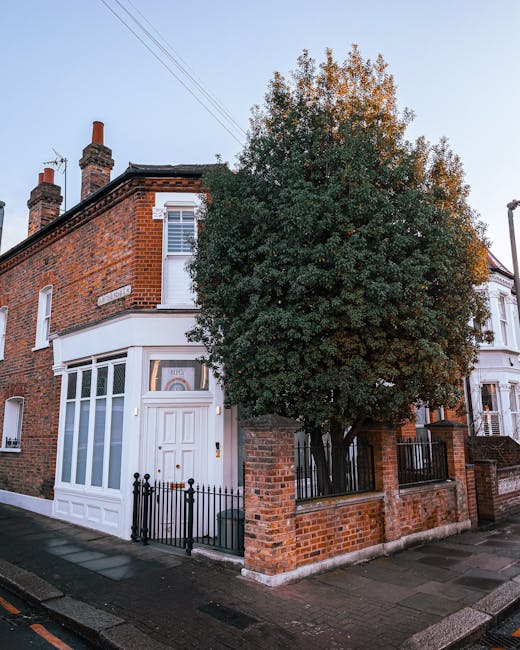
Gunnersbury Triangle removal tips for tight access properties
Moving house or relocating a flat near Gunnersbury Triangle can feel straightforward on paper, then suddenly the reality hits: a narrow stairwell, a shared driveway, awkward parking, a basement entrance, or a van that is just a touch too large for the street. If you are looking for Gunnersbury Triangle removal tips for tight access properties, you are probably already dealing with the part of moving that causes the most stress. The good news? Tight access does not have to mean a chaotic move. With the right planning, the right vehicle size, and a few practical shortcuts, the whole thing becomes much more manageable.
In this guide, we'll walk through what makes these moves tricky, how to prepare properly, where people usually go wrong, and what a good removal plan actually looks like in the real world. A lot of the difference is in the details. Small details. The kind you only notice when the sofa is halfway through the doorway and someone mutters, "Right, that's not fitting then."
Table of Contents
- Why Gunnersbury Triangle removal tips for tight access properties matters
- How Gunnersbury Triangle removal tips for tight access properties works
- Key benefits and practical advantages
- Who this is for and when it makes sense
- Step-by-step guidance
- Expert tips for better results
- Common mistakes to avoid
- Tools, resources and recommendations
- Law, compliance, standards, or best practice
- Options, methods, or comparison table
- Case study or real-world example
- Practical checklist
- Conclusion
- Frequently asked questions
Why Gunnersbury Triangle removal tips for tight access properties matters
Tight access changes everything. It affects the size of the vehicle you can use, how long loading takes, whether large items need to be dismantled, and even how many people should be on site. In areas like Gunnersbury Triangle, you can run into a mix of residential streets, older buildings, shared entrances and limited roadside space. That means a move that would be simple elsewhere can become awkward very quickly.
Why does this matter so much? Because the biggest risks in a difficult access move are usually not dramatic. They're small and cumulative: scratches on banisters, delays while parking is sorted, damaged furniture from forcing an item through a gap that was never wide enough, or tiredness setting in before the job is even half done. Once you remove the guesswork, the move gets calmer. And calmer moves tend to be safer moves.
There is also a budget angle. If a property has restricted access and nobody plans for it, the job takes longer. Longer usually means costlier. You may need extra labour, a smaller shuttle vehicle, more time, or specialist packing. That is where sensible planning pays for itself. It is not about making the move fancy. It is about making it efficient and avoiding the kind of rework nobody enjoys.
Key takeaway: with tight-access removals, the move is won or lost before moving day begins. Measuring access, sorting parking, and reducing item size are the things that do the heavy lifting.
How Gunnersbury Triangle removal tips for tight access properties works
A good tight-access move starts with a proper access check. Not a quick glance. A proper check. That means looking at the route from the property to the vehicle, not just the front door. Think about the hallway width, staircase turns, lift size, doorway clearances, kerbs, railings, and whether there is enough room for the van to stop safely. Sometimes the issue is the building itself. Sometimes it is the street outside. Often it is both.
From there, the move is usually split into smaller decisions:
- Which items can travel assembled and which should be dismantled
- Whether a medium or smaller removal van is safer than a larger one
- How to protect floors, corners and door frames
- Whether parking or access permissions need to be arranged in advance
- How to sequence loading so heavy items do not block narrow spaces
In practice, the best approach is often a combination of methods. For example, a crew may park as close as possible, use a trolley for box transfers, remove legs from beds and tables, and carry items in a controlled order so the narrowest parts of the property are not congested. That sounds simple, but it's the structure behind a smooth move.
If you want to compare options before booking, pages like removal services, man and van, and movers can help you understand how different moving setups are typically presented.
Key benefits and practical advantages
The main benefit of planning a tight-access removal well is simple: fewer surprises. But there are several other advantages that matter just as much on moving day.
- Less physical strain: fewer awkward carries, fewer rushed turns, fewer items being lifted through cramped spaces.
- Lower damage risk: when items are measured and protected properly, there is less chance of dings, chips or crushed packaging.
- Better time control: a clear plan reduces stop-start delays and avoids the "Where do we put this now?" problem.
- More realistic vehicle choice: choosing the right van size helps avoid failed access or unnecessary shuttling.
- Improved neighbour relations: less blocking, less noise, less time spent with a van idling in the wrong place.
There is also peace of mind. Truth be told, that matters a lot. When you know the sofa will turn at the top of the stairs because someone checked it beforehand, you sleep better the night before the move. And the morning feels less like a gamble.
For larger home moves, it can also be helpful to look at home moves and house removals if you are comparing a full-service approach with a lighter, more flexible option.
Who this is for and when it makes sense
This advice is useful for a wide range of people. If any of the following sound familiar, you're in the right place:
- People moving from a flat with narrow stairs or a small landing
- Households in terraced or converted properties where parking is limited
- Anyone with large furniture that needs dismantling to get out safely
- Tenants moving on a fixed timetable who need the job done efficiently
- Landlords, letting agents or property managers arranging access-sensitive clearances
- Small offices or home offices shifting equipment out of awkward buildings
It also makes sense when you have a mix of fragile items and tight access. A narrow route is one thing. A narrow route with mirrors, monitors and a heavy chest of drawers is another story entirely. That's when the planning stage becomes really valuable.
If your move is commercial rather than domestic, the same principles still apply. In some cases, it may be more relevant to look at commercial moves or office removals for a better fit.
Step-by-step guidance
Here is a practical, sensible way to handle a removal in a tight-access property without turning it into a full-blown drama.
- Measure the important spaces. Doorways, hall turns, stair width, lift dimensions, the route to the van, and anything that looks awkward. If an item is large, measure it too. A tape measure is boring, yes, but it saves arguments later.
- Photograph the access route. Take clear pictures of the entrance, stairs, parking area and any tight corners. This helps identify problems before moving day, not during it.
- List the bulky items first. Beds, wardrobes, sofas, washing machines, bookcases, desks. These are the things that determine the plan.
- Decide what should be dismantled. Remove bed frames, table legs, shelves, doors, and other detachable parts where sensible. Keep screws and fittings in labelled bags.
- Choose the right van. A smaller or medium vehicle may be better if the street is cramped or parking is awkward. Bigger is not always better. In fact, sometimes it is the opposite.
- Protect the property. Use floor covering, corner protectors, blankets and door-frame protection where needed.
- Plan the loading order. Put the heaviest and least fragile items in first, then stack carefully. Keep essentials accessible for unloading.
- Keep a clear walkway. The stairs and hall should not become a storage zone. Narrow access can disappear fast if boxes are left everywhere.
- Leave extra time. Tight access almost always takes longer than an open driveway move. Build in breathing room.
That sequence is not glamorous, but it works. And honestly, it is usually the difference between a stressful scramble and a fairly tidy day.
Expert tips for better results
There are a few things experienced movers often do that make a noticeable difference. They are not complicated. They just come from doing this kind of work often enough to know where the pain points are.
- Use smaller carrying loads: in a narrow property, fewer heavy boxes per trip usually works better than trying to "save time" by overloading everyone.
- Pre-pack with shape in mind: square, stackable boxes are much easier to move through awkward access than odd-shaped bags and loose items.
- Wrap before you move: if you wait until the item reaches the door, you are already behind.
- Check turn angles in advance: some furniture fits through a door but not the bend afterwards. That one catches people out a lot.
- Use a shuttle plan if needed: if the van cannot park right outside, it may be faster to use a short shuttle route than to force a bad parking position.
- Think about the weather: wet pavements, low light and cold fingers make tight access harder. London in the early evening can feel like it changes its mind every ten minutes.
One small but useful trick: keep a "first out, last in" box for kettle, basic tools, chargers and documents. If access is difficult, you do not want to be hunting for essentials at the back of the van while it's raining and everyone's tired. Been there, regretted it.
If you are hiring help, pages such as man with van and man with van removal can be useful starting points for understanding flexible removal support.
Common mistakes to avoid
Most tight-access problems are preventable. The tricky bit is that the mistakes often seem small until moving day arrives.
- Booking the wrong size vehicle: if the van can't access the street properly, the whole plan slows down.
- Not measuring furniture: assumptions are expensive here. A sofa that "looks like it'll fit" is not the same as one that actually will.
- Ignoring stair turns and landings: straight-line measurements can be misleading.
- Leaving dismantling until the last minute: this creates pressure and often leads to rushed packing.
- Failing to reserve parking or check access rules: even a short delay outside the property can cause knock-on problems.
- Packing fragile items badly: tight access means more handling and more chances for items to get bumped.
- Overfilling boxes: heavy boxes are harder to carry safely through narrow spaces and more likely to split.
One of the most common patterns is this: people focus on the van and forget the route. But the route is the job. If the route is difficult, everything else needs to be adjusted around that reality.
Tools, resources and recommendations
You do not need a warehouse full of kit, but a few simple tools can make a big difference in tight-access removals.
| Tool or item | Why it helps | Typical use |
|---|---|---|
| Tape measure | Checks doorways, stairs and furniture dimensions | Before packing and before loading |
| Furniture blankets | Protects surfaces from knocks and scrapes | Wrap beds, tables, cabinets and appliances |
| Stretch wrap | Keeps drawers, doors and loose parts secure | Useful on wardrobes and shelving |
| Trolley or sack truck | Reduces lifting across short flat distances | Best for boxes and heavier items where space allows |
| Labels and marker pens | Makes unpacking and sequencing faster | Mark room destination and fragile items |
| Protective floor covering | Helps avoid damage on stairs and hallways | Especially useful in rented or newly decorated properties |
For readers comparing support options, it can also help to review packing and unpacking services if you want the packing side handled professionally, and removal van or moving van if vehicle choice is your main concern.
As for resources, your own building notes, landlord instructions, parking instructions and floor plan sketches are often more useful than anything fancy. A handwritten note stuck to the fridge can save more time than a perfect spreadsheet that nobody reads. Slightly annoying, but true.
Law, compliance, standards, or best practice
For tight-access removals, the main compliance focus is usually safety and practical responsibility rather than complicated legal theory. In the UK, good moving practice should align with safe manual handling, sensible load management, clear access planning and reasonable property protection. That means people should avoid unsafe lifting, keep walkways clear, and take care not to block roads or entrances unnecessarily.
If a vehicle is stopping on a public road, parking and loading should be managed carefully and in line with local expectations. That may involve checking restrictions, allowing for time limits, or arranging suitable access in advance. The exact rules can vary by location, so it is wise not to assume. It sounds obvious, but people do, all the time.
It is also sensible to use movers who are covered appropriately and who have clear working practices for fragile items, access limitations and damage prevention. You can review pages like insurance and safety and health and safety policy to understand how a professional approach is presented. For business or payment reassurance, payment and security and terms and conditions may also be useful.
Best practice, in plain English, means this: do not guess, do not rush, and do not force items through spaces that are clearly too tight. Sometimes the safest route is the one that takes an extra ten minutes. That is not inefficiency; that is good judgment.
Options, methods, or comparison table
When access is tight, you generally have a few practical ways to handle the move. The best one depends on the building, the items, and how much time you have.
| Method | Best for | Trade-off |
|---|---|---|
| Single van load | Smaller moves with decent roadside access | Fast if parking is easy, less practical if the street is cramped |
| Smaller van plus shuttle | Narrow streets, difficult parking, basement or courtyard access | Takes more trips, but often safer and more realistic |
| Full dismantling before moving | Large furniture, awkward staircases, old buildings | More prep time, but better chance of a clean exit |
| Professional packing support | Fragile items or time-sensitive moves | Adds cost, but reduces breakage and confusion |
| Mixed self-pack and crew-assisted move | People who want to save money while still managing access issues | Requires more coordination |
In many tight-access jobs, the shuttle option is underrated. People think it sounds slower than it is, but if the alternative is wrestling a large van into an impossible position, a shuttle can be the cleaner, calmer answer.
Case study or real-world example
A realistic example: a couple moving from a first-floor flat near Gunnersbury Triangle with a narrow staircase, a shared entrance, and no easy parking directly outside. They had a bed frame, a sofa, a dining table, several boxes of books, and a couple of fragile lamps. At first glance, they assumed they needed a large van. Once the access route was checked, it became clear that a larger vehicle would have made parking harder and slowed the move down.
The solution was simple but thoughtful. The bed frame and table were dismantled the day before. Boxes were labelled by room. Fragile items were wrapped individually rather than bundled together. A medium van was used, with the loading timed for the quieter part of the morning so roadside access was easier. The crew protected the staircase and doorway corners, and the loading order was planned so the sofa went in before the smaller boxes started stacking. Nothing dramatic happened. Which, on moving day, is exactly what you want.
The key lesson from this kind of move is that success usually comes from reducing friction. Not magic. Not extra muscle. Just removing the obstacles before they become obstacles.
If your own move feels similar, pages such as house movers and house removalists may help you compare the kind of support that suits a property with awkward access.
Practical checklist
Use this simple checklist before moving day. It keeps things grounded.
- Measure all doors, stair turns and large furniture items
- Photograph the access route and any difficult corners
- Decide which items need dismantling
- Label screws, fittings and small parts in sealed bags
- Confirm the best van size for the street and property
- Check parking, loading space and any likely restrictions
- Wrap fragile and high-value items early
- Protect floors, bannisters and corners
- Pack a first-day essentials box
- Allow extra time for loading and unloading
- Keep the route clear from door to van
- Confirm who will be doing what on the day
Quick reality check: if two or three items on that list are still unresolved the night before, sort them first. They are usually the things that create most of the stress.
Conclusion
Tight access does not have to make a move miserable. With the right preparation, Gunnersbury Triangle removal tips for tight access properties come down to a few sensible habits: measure carefully, choose the right vehicle, dismantle bulky furniture early, protect the building, and keep the loading plan simple. That's the heart of it.
The best removals are rarely the ones with the biggest vehicle or the flashiest setup. They are the ones where someone took a calm look at the route, spotted the problem before it happened, and planned around it. A bit unglamorous, maybe. But effective. And that counts for a lot when boxes are stacked by the front door and everyone wants the day to be over by teatime.
If you are comparing moving support, checking policies, or deciding which service style fits your property, use the pages on this site to explore the options that feel right for your move. A little clarity now can save a lot of hassle later.
Get a free quote today and see how much you can save.
Frequently Asked Questions
What makes a property "tight access" for removals?
Usually it means the route out of the property is awkward in some way: narrow hallways, small staircases, tight doorways, limited parking, a basement entrance, or a van space that is hard to reach. Sometimes it is only one of these things. Sometimes it is all of them at once, which is a bit of a headache.
Should I choose a smaller van for a tight-access move?
Often, yes. A smaller or medium van may be easier to park and load safely if the street is narrow or the property is close to other vehicles. Bigger is not always better here. In fact, it can make the move more awkward.
Do I need to dismantle furniture before a tight-access removal?
If the item is large, awkward or likely to catch on a corner, dismantling is usually the smarter choice. Beds, tables and some wardrobes are common examples. Always keep the fittings together in labelled bags so reassembly is less painful later.
How do I know if my sofa will fit through the stairs?
Measure the sofa, the stair width, the landing turns and the doorway. Then compare the shape, not just the width. A sofa may technically fit on paper and still fail at the turn. That happens more often than people expect.
What should I send a mover before the booking?
Photos of the entrance, stairs, parking area and any awkward obstacles are very helpful. A shortlist of your biggest items and a note about access issues also makes it easier to recommend the right setup.
Is parking the biggest problem in tight-access removals?
Sometimes yes, sometimes no. Parking can be the main challenge, but the building layout may be the real issue. The safest approach is to check both the street access and the internal route before moving day.
How much extra time should I allow for a difficult access move?
That depends on the property, the volume of items and whether anything needs dismantling. A tight-access move generally needs more time than a standard move, so it is wise to build in a buffer rather than schedule everything back-to-back.
Can I still do part of the move myself?
Yes. Many people pack smaller boxes themselves and leave the heavy lifting or vehicle handling to professionals. A mixed approach can work well if you are organised and realistic about what you can safely manage.
What items are most at risk in tight-access moves?
Large wooden furniture, mirrors, glass tables, lamps, televisions and anything with sharp corners or delicate finishes. These items need careful wrapping and a clear route, otherwise they can pick up damage very quickly.
Do I need special equipment for a narrow property move?
Not always special, but the right basics matter: blankets, stretch wrap, labels, a trolley where suitable, and protective covering for floors and corners. Simple tools, used properly, go a long way.
How far in advance should I plan a tight-access removal?
As soon as you know the move date, start checking measurements and access details. The earlier you spot a problem, the easier it is to solve. Leaving it until the last minute is where things start to wobble.
Where can I check more about moving support and expectations?
You can look through pages such as removals, removals near me, and pricing and quotes to better understand the available options and how a move might be structured.