Ealing Council parking permits for Gunnersbury removals
Posted on 22/06/2026
Ealing Council parking permits for Gunnersbury removals: a practical guide for a smoother move
If you are planning a move in Gunnersbury, parking can become the awkward little detail that throws everything off. The sofa is ready, the boxes are labelled, the van is booked - and then you realise the street outside is tight, busy, or simply not meant for a big removal vehicle. That is where Ealing Council parking permits for Gunnersbury removals can make a real difference.
This guide explains what those permits are for, why they matter, how they typically fit into a removals day, and what to do if your building, road layout, or timing creates a bit of a headache. We will also cover practical planning tips, common mistakes, and the best way to keep the move calm and orderly. Truth be told, good parking planning saves more stress than most people expect.
For a broader moving plan, it can also help to read stress-free strategies for a smooth house move and packing tips for a smoother moving day.
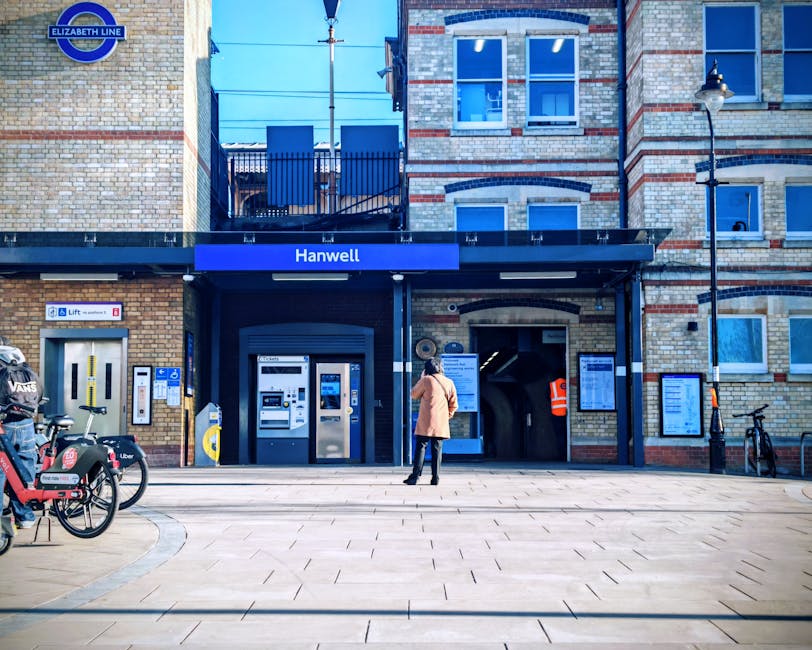
Why Ealing Council parking permits for Gunnersbury removals Matters
On moving day, parking is not just a convenience. It is access. If the removal van cannot stop close enough to the property, the entire job becomes slower, heavier, and riskier. More walking between the van and the front door means more time, more lifting, and more chances for something to bump, scrape, or get dropped.
In Gunnersbury, that matters even more because the area can include narrow residential roads, shared driveways, permit-controlled bays, and buildings where loading space is limited. A permit or temporary parking arrangement can be the difference between a clean, efficient unload and a day that feels oddly chaotic by 9:15am.
The real value is not just avoiding a parking fine. It is protecting the schedule, reducing physical strain, and making sure the team can work safely. If you have ever watched a mover carry a wardrobe up a long path in drizzle while a queue of traffic forms behind them, you will know why this matters. Not glamorous. Very real.
Expert summary: If your removals vehicle needs to stop close to the property in a controlled parking area, sorting the right permit or access arrangement early is one of the simplest ways to prevent delays, stress, and unnecessary lifting.
For homes with larger or awkward items, it is also worth thinking about the full moving picture. Guides like why expert help is crucial for piano moving and sofa protection and storage advice can help you plan around access constraints.
How Ealing Council parking permits for Gunnersbury removals Works
The exact process can vary depending on street rules, bay restrictions, suspension needs, and the nature of your move. So it is sensible to treat the permit as part of your removals planning, not as an afterthought. In plain English, the idea is simple: if a vehicle needs to stop in an area where parking is controlled, you may need permission or a temporary arrangement to do so lawfully.
For many moves, that might involve one or more of the following:
- a resident bay or visitor bay arrangement where allowed
- a loading-only stop for a short period
- a temporary suspension or reservation of parking space
- coordination with the building manager, concierge, or freeholder
- signage or access instructions for the van and moving crew
What matters most is timing. If you leave it too late, the slot you need may already be occupied, or the paperwork may not be in place by moving day. And that is the point where everybody starts talking faster and carrying boxes in a less efficient way. Happens all the time.
The safest approach is to confirm early whether the property sits on a controlled street, whether parking is usually available at the front, and whether the van will need a clear loading bay. If the move involves flats, that extra layer of planning becomes even more important. Our flat removals Gunnersbury service is built around these tighter access realities.
Key Benefits and Practical Advantages
Good parking planning does more than keep things legal. It improves the quality of the move from start to finish. Here is what people usually notice first.
- Less carrying distance: boxes and furniture travel fewer metres, so the job finishes faster.
- Lower damage risk: fewer doorways, kerbs, and turns between the van and property.
- Reduced strain: shorter carrying routes help protect backs, shoulders, and grip.
- Better timing: the crew can work to schedule rather than hunting for a space.
- Fewer awkward interruptions: no scrambling to move the van mid-load because parking rules were not checked.
There is also a psychological benefit, and it is not small. Once the van is properly positioned, the move feels under control. You can hear the tape ripping, the doors opening, the trolley wheels rolling on pavement - the whole day becomes more orderly. Little things, but they matter.
Planning well also supports other parts of the move. Decluttering before move day, for example, can reduce the amount of space needed around the van. If you have not done that yet, decluttering before a big move is worth a look.
Who This Is For and When It Makes Sense
Parking permits are not only for huge house moves. They can be useful for all sorts of Gunnersbury removals, especially when the street is tight or time is limited. You may need to think about this if you are:
- moving from a flat with no private parking
- living on a road with controlled bays or timed restrictions
- moving on a weekday when road space is busier
- using a larger van rather than a car-sized vehicle
- moving bulky furniture, white goods, or fragile items
- trying to complete a same-day move with a short loading window
It also makes sense for office moves, student moves, and properties where access is tricky. A small student studio may not need the same setup as a three-bedroom house, but if the van cannot pause near the entrance, you still feel the pinch. Actually, students often notice it quickest because every minute matters on handover day.
If you are moving from a busy road or a second-floor flat, the solution may be a blend of parking planning and sensible packing. Our guides on Chiswick High Rd flats moving tips and a quick flat-move checklist for Acton Lane to Gunnersbury offer useful local context.
Step-by-Step Guidance
Here is a straightforward way to handle parking planning for a removals day in Gunnersbury.
- Check the property access early. Look at the road, the kerb space, nearby bays, and any signs that limit stopping or loading.
- Ask who controls the parking. For some buildings, the issue is not the street but the estate, private forecourt, or management rules.
- Confirm the vehicle size. A small van and a larger removal vehicle may need very different space.
- Work out your loading window. Think about the time you will actually need space, not just the total moving day.
- Arrange the permit or parking permission in advance. Leave enough time for any admin or approval.
- Tell the moving team the exact access details. Stairs, lifts, narrow entrances, and loading points all affect the plan.
- Prepare signage or arrival notes if needed. If there are multiple entrances or a tricky street layout, clear instructions save guesswork.
- Keep a backup plan. If the intended space is blocked, know where the next nearest legal loading option is.
A real-world example: imagine a one-bedroom flat move near a busy stretch where parking turnover is high. If the van is due at 8:30am but the closest legal space may be gone by then, the crew might need to circle the block, park farther away, or wait for a gap. That can easily turn a tidy two-hour load into a much longer morning. Not ideal.
For item-heavy moves, it helps to pair parking planning with sensible lifting and packing habits. You might find the basics of kinetic lifting and solo lifting techniques for heavy loads useful background reading.
Expert Tips for Better Results
A few small habits make a very noticeable difference.
- Book the parking plan before you book the panic. Moving day stress often begins with unresolved parking.
- Keep the front of the property as clear as possible. Bins, scooters, bikes, and plant pots can slow the unload more than people expect.
- Choose your arrival time carefully. A slightly earlier van slot can sometimes reduce competition for spaces.
- Use clear labels for the most urgent items. That way, if the van has to park a little farther away, the crew knows what needs to come off first.
- Plan for weather. Rain changes everything. Cardboard softens, carpets get dirtier, and carrying takes longer.
If there is one practical habit we would recommend above all others, it is to speak plainly with the removals team. Say exactly what the road looks like, whether there is a gate, and whether anyone has mentioned parking restrictions. A five-minute conversation can save fifty minutes later. Maybe more.
For extra reassurance on protection, timings, and insured handling, see insurance and safety information and our health and safety policy.
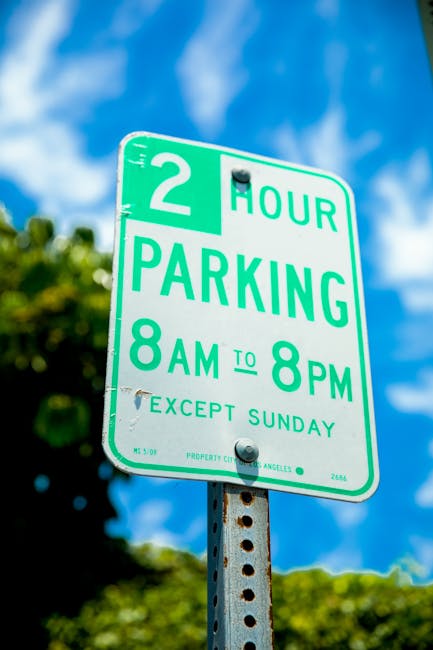
Common Mistakes to Avoid
Most parking-related problems are preventable. The trouble is, they are easy to underestimate when you are already thinking about keys, boxes, and last-minute cleaning.
- Leaving permit planning until the night before. This is probably the most common one.
- Assuming a loading bay is available just because it exists. It may be reserved, occupied, or restricted at certain times.
- Not checking if the street is controlled on the day of the move. Rules can differ by day and time.
- Forgetting to brief the driver about access limitations. The crew should know before they arrive, not after.
- Ignoring nearby obstacles. Trees, low branches, tight corners, and parked cars can all matter.
- Overloading the schedule. If parking is uncertain, do not plan a minute-perfect chain of events.
A small mistake can cascade. For example, if the van has to park around the corner, the first load may be fine. Then the second load arrives and the lift is busy, the hallway gets crowded, and suddenly everything feels much bigger than it is. That is how moving days get away from people. Sneaky, really.
If bulky items will not fit neatly or need a separate disposal plan, our article on bulky waste in Gunnersbury removals is helpful.
Tools, Resources and Recommendations
You do not need a complicated toolkit, but a few practical resources help:
- Site photos: take pictures of the road, entrance, bay markings, and any signs.
- Simple access notes: include floor level, lift size, and whether the van can stop right outside.
- Box labels: mark priority rooms and fragile items clearly.
- Measuring tape: useful if there are tight corners, lifts, or furniture that needs careful handling.
- Contact list: keep the building manager, landlord, or keyholder details handy.
It also helps to use related moving resources rather than trying to solve everything at once. Packing advice from packing and boxes in Gunnersbury can support the van-loading plan, while removal services in Gunnersbury can give you a broader view of what a complete move may involve.
And if your move is time-sensitive, a service like same day removals in Gunnersbury may need even tighter parking coordination. Same-day moves are a bit like that - less room for improvisation, more room for common sense.
Law, Compliance, Standards, or Best Practice
Parking around a removals job is not just a logistics issue. It sits inside local parking rules, road signage, and the normal duty to avoid obstructing traffic or blocking access. Because rules can vary by street and by time, it is best not to assume that a short stop is automatically acceptable.
The safest best practice is to treat parking permission as a formal part of move planning. That means checking whether the road is controlled, whether a loading bay is permitted, whether the vehicle size is suitable, and whether any estate or building rules apply. If you are uncertain, the prudent route is to verify the arrangement before moving day rather than hope for the best. Hope is not a parking strategy.
From a removals perspective, the best-practice standard is simple: protect access, reduce risk, and keep the move lawful and efficient. That usually means clear communication, sensible timing, careful lifting, and a backup plan if the nearest space is unavailable. If a permit or temporary access arrangement is needed, it should be organised early enough that nobody is scrambling on the pavement with a trolley and a question mark.
For wider company standards and safeguards, you can also review terms and conditions, payment and security, and the company's about us page to understand how the service is structured.
Options, Methods, or Comparison Table
There is more than one way to handle parking for a removals job. The right choice depends on the street, the building, and how much furniture you are moving.
| Approach | Best for | Strengths | Limitations |
|---|---|---|---|
| Standard roadside loading | Short moves with easy access | Quick and simple if space is available | Can fail if the road is busy or restricted |
| Temporary permit or reservation | Controlled streets and busy residential roads | More reliable access and better timing | Needs planning and may involve admin |
| Estate or building permission | Flats, managed blocks, private roads | Clarifies access and avoids disputes | Depends on management approval |
| Parking farther away with extra carrying | Fallback situations | Can keep the move going | Slower, harder work, more risk of fatigue |
In practice, the best option is usually the one that reduces guesswork. If you can secure proper access, do it. If you cannot, build in enough time and labour to handle a longer carry. Simple as that, though not always easy.
Case Study or Real-World Example
A realistic Gunnersbury move might look like this: a couple leaving a first-floor flat with a mix of furniture, kitchen boxes, and a large mattress. The road outside is narrow, with on-street parking that fills early. They initially assume the van can stop directly outside, but a quick check shows the nearest space is a shared controlled bay with limited availability.
Instead of leaving it to chance, they confirm the access situation, plan an early arrival, and make sure the most important items are packed first. They also use a flatter box stack near the exit so the crew can load quickly once the van is parked. That means fewer trips back and forth, less pressure on the stairwell, and a much calmer morning.
Nothing dramatic happened. Which is exactly the point. The move felt almost boring by the end. And boring is beautiful on moving day.
For more support around tricky access, you may also find advice on lost keys or access issues during Gunnersbury moves useful, especially if your building has secure entry or multiple gates.
Practical Checklist
Use this simple checklist before moving day:
- Confirm whether the street or bay is controlled.
- Check if parking permission, a permit, or a reservation is needed.
- Ask whether the building has private parking rules.
- Share access details with the removals team.
- Take photos of the front entrance and parking signs.
- Measure any tight spaces, lifts, or stair turns.
- Clear the pavement area outside the property where possible.
- Set aside a legal backup spot nearby.
- Label essential boxes for quick unloading.
- Prepare for weather, traffic, and small delays.
- Keep keys, permits, and phone numbers close at hand.
- Review your plan the evening before the move.
If you are still at the planning stage, it is worth pairing this with pre-move house cleaning tips and guidance on moving beds and mattresses, because access and item size often affect each other in real life.
Conclusion
Getting Ealing Council parking permits for Gunnersbury removals right is not about paperwork for its own sake. It is about making the move easier, safer, and less likely to unravel over something as mundane as a parking bay. In a busy local area, that mundane detail can decide whether the day feels smooth or slightly absurd.
Think ahead, check the access properly, and build the parking plan into the wider removals strategy. If you do that, the rest of the move has a much better chance of going to plan. And honestly, that first calm unload - when the van is parked correctly and the boxes start moving in steadily - feels pretty good.
If you want a team that understands tight access, flat moves, and local logistics, start with the right advice and a clear plan.
Get a free quote today and see how much you can save.