Lost keys or access issues during Gunnersbury moves
Posted on 10/06/2026
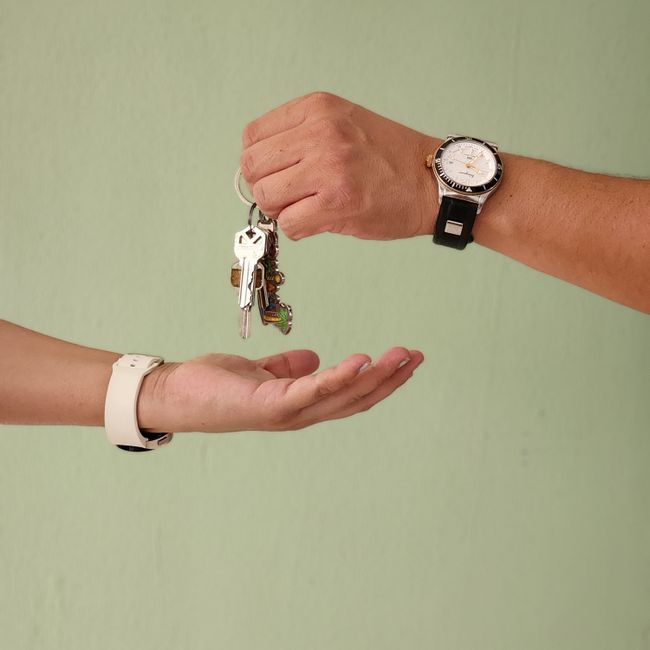
Few moving-day problems are more annoying than standing outside a property with a van booked, boxes packed, and nobody able to get in. Lost keys or access issues during Gunnersbury moves can derail the whole schedule in minutes. The good news is that most of these problems can be managed calmly if you know what to do first, who should be told, and how to build a backup plan before the crew arrives.
This guide walks through the real-world causes, the practical response, and the small checks that make a surprisingly big difference. It also covers what movers typically need from you, how access problems affect flats and houses differently, and where planning ahead can save money, time, and stress. If you are trying to keep a Gunnersbury move moving, you are in the right place.
Why Lost keys or access issues during Gunnersbury moves Matters
Access is the hidden engine of a smooth move. When it works, nobody notices. When it fails, everything stops. That is why lost keys or access issues during Gunnersbury moves matter so much: they can delay loading, cause missed lift slots, create awkward handovers with landlords or agents, and even push a move into overtime.
In a place like Gunnersbury, access problems can show up in more than one way. A front door key may be missing. A communal entrance code may not have been shared. A lift may be booked but unavailable. Parking may be tight, especially on busy roads or around station-adjacent streets, so the van cannot get close enough to the entrance. Small issue? On paper, maybe. On moving day, not at all.
There is also the human side. People often discover a key issue at the worst possible moment, usually when they are already tired, maybe a bit sweaty, and carrying a box of pans that suddenly feels twice as heavy. To be fair, it happens more often than most people admit. The trick is not panic. The trick is sequence.
Practical takeaway: access problems are rarely solved by force or guesswork. They are solved by fast communication, a backup contact, and a move plan that assumes something may go wrong.
How Lost keys or access issues during Gunnersbury moves Works
When a move is disrupted by missing keys or poor access, the process usually unfolds in a fairly predictable pattern. First comes the discovery: no key, wrong key, locked gate, unavailable lift, or a forgotten fob. Then comes the immediate check: who has the spare set, who holds the code, and whether the building manager, landlord, agent, concierge, or next-door contact can help.
If the issue is inside the property chain, the problem may be with the handover itself. Sometimes the seller, tenant, or outgoing occupier has not left keys as agreed. Other times the new occupier has them, but the timing is off. In blocks of flats, it might be a shared entrance, a lift booking, or loading bay restriction rather than the front door itself. The move can be fine in theory and still stall at the building entrance.
For removal teams, access issues affect more than the first five minutes. They change how the day is sequenced. The crew may need to wait, re-route, park further away, carry items longer, or prioritise certain furniture first once access is restored. That is why a professional team will often ask questions about stairs, lift availability, parking, key collection, and any controlled entry before moving day. If you have already read about stress-free strategies for a smooth house move, you will recognise that most good moving days are won before the van even arrives.
In some situations, the move can still proceed partially. For example, if one keyholder is late but the property can be accessed through a side entrance, the team may be able to start with items from a garage, hallway, or storage room. In other cases, it is simply not safe or practical to continue until the right person appears. That is not stubbornness. It is common sense.
Key Benefits and Practical Advantages
Dealing with access issues well is not just about avoiding a headache. It has very real practical benefits.
- Less downtime: when someone knows where the spare key is, the move can restart faster.
- Lower stress: everyone involved feels more in control when there is a clear plan.
- Reduced cost risk: fewer wasted hours can mean fewer extra charges or less disruption to the schedule.
- Safer handling: movers are less likely to rush, carry awkward items through unsuitable access, or improvise dangerously.
- Better neighbour relations: sensible access planning reduces blocking, shouting across courtyards, and last-minute chaos. Lovely for nobody.
There is also a less obvious advantage: good access planning makes packing more effective. If you know the lift is small, the stairs are tight, or the front entrance may be busy, you can prepare differently. That might mean smaller boxes, clearer labelling, or disassembling furniture earlier. For more on that side of the job, see packing for a house move and packing and boxes in Gunnersbury.
In the long run, this sort of planning also improves the handover experience. Landlords, agents, and building managers tend to respond better when they can see that you have thought ahead. That is useful whether you are moving a flat, a family house, or a small office.
Who This Is For and When It Makes Sense
This topic is relevant to almost anyone moving in the area, but it becomes especially important in a few common scenarios.
- Flat movers: shared entries, lift controls, and coded doors can turn a simple move into a logistics puzzle. If that sounds familiar, our flat removals in Gunnersbury page may also be useful.
- House movers: detached or terraced homes may have side gates, lockboxes, or neighbours holding spares.
- Students: shared houses often mean multiple keys in circulation, and one person always says, "I thought someone else had it."
- Office movers: access can depend on reception, building management, and booked loading windows.
- Last-minute relocations: if you are using same-day removals in Gunnersbury, access clarity becomes even more important because there is less time to fix mistakes.
It also makes sense for people moving in or near apartment blocks, period conversions, managed estates, and roads with limited parking. A move near Gunnersbury Station, for example, may involve practical route planning as much as key planning, and the two are closely linked. If you want a local angle on that, the article on moving near Gunnersbury Station is worth a look.
Truth be told, this is the sort of issue that only feels minor until it is your move day. Then it is suddenly the most important thing in the world. Funny how that works.
Step-by-Step Guidance
Here is a practical way to handle lost keys or access issues during a Gunnersbury move without losing the whole day.
- Confirm the exact problem. Is it a missing front-door key, a wrong fob, a lift that needs booking, a locked gate, or no parking close enough for unloading?
- Contact the keyholder immediately. That may be a landlord, estate agent, flatmate, building manager, neighbour, or family member with a spare set.
- Check whether a spare is already nearby. A drawer at a relative's house, a lockbox, or a trusted neighbour can save hours.
- Tell the removal team what is happening. Even a short update helps them adjust arrival timing, parking, and loading order.
- Protect the schedule. If access may take time, move the easiest items first, or keep essentials to one side so they are ready once entry is restored.
- Document the issue if needed. If a landlord or agent has failed to provide access as agreed, keep the communication clear and factual. No drama, just facts.
- Restart carefully. Once access is restored, check for any damage, missing items, or security concerns before the team resumes.
For physical preparation, it also helps to think through the loading order before anyone is waiting around in the hallway. A smart approach to decluttering before a big move can make the whole process lighter and easier to restart after a delay.
If access is blocked because furniture is still positioned awkwardly, it can be worth revisiting how heavy items are being handled. There is useful background in the basics of kinetic lifting and lifting heavy loads safely.
Expert Tips for Better Results
Small details make a big difference here. In our experience, the moves that stay calm are the ones with boring, slightly obsessive preparation. Boring is good.
- Make one person responsible for keys. Too many people "sort of know" where the spare is, and that is how things go missing.
- Take photos of key sets and labels in advance. Not the whole security system, obviously, just enough to help you remember which key opens what.
- Keep a written access sheet. Include codes, lift booking times, parking notes, and contact names. Paper still works when the phone battery does not.
- Ask about building access early. For flats, lifts, concierge desks, and loading restrictions matter as much as the front door.
- Pack a first-night bag separately. If access issues cause a delay, at least you will not be hunting for toothbrushes at 10:30 pm.
- Use clear, non-technical language with movers. "The side gate key is with my neighbour" is more useful than "I think access should be okay."
Another quiet win: if you are moving a lot of furniture, check whether you really need to take everything through the main entrance. Sometimes a better route exists, but people do not think to ask. That can be especially relevant for larger items, so it may help to read about furniture removals in Gunnersbury or, if you are handling an awkward item, piano removals in Gunnersbury.
And one more thing: if you think access might be messy, build in extra time. Not a huge amount. Just enough to avoid the feeling that everyone is speed-walking through a corridor while pretending not to be stressed.
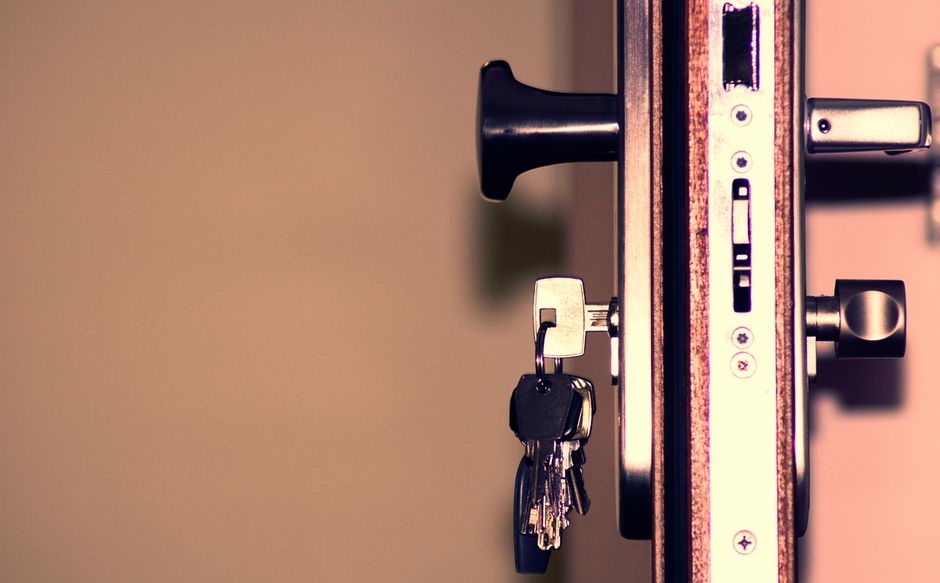
Common Mistakes to Avoid
Most access problems are made worse by a few avoidable habits. These are the ones that come up again and again.
- Assuming someone else has the key. It happens more often than people expect.
- Not checking the lift or entry booking. A booked van is useless if the building access slot was never confirmed.
- Forgetting the final handover chain. Who is actually meeting the movers? Who is handing over keys? Who can open the side gate if needed?
- Leaving access details to text messages only. That is fine until someone's phone dies or a message gets buried under ten others.
- Trying to force entry or improvise insecurely. That can create damage, neighbour complaints, and unnecessary risk.
- Ignoring parking and carrying distance. A five-minute delay can become half an hour when items have to be carried much farther than expected.
There is also a packing-related mistake worth mentioning: people often pack access-critical items too early. If you put the keys, permits, or fobs in a random box labelled "misc," you may spend an uncomfortable amount of time opening every box in the hallway. That is not a fun game. Nobody has ever enjoyed that game.
For practical organisation, the guidance on pre-move house cleaning and decluttering before a big move can also help, because access problems are easier to manage when you are not dealing with extra clutter.
Tools, Resources and Recommendations
You do not need fancy kit to manage access issues well, but a few simple tools are genuinely helpful.
- Spare key set: keep it with a trusted person, not under a plant pot outside. Honestly, that old trick is more common than it should be.
- Phone contacts list: landlord, letting agent, building manager, concierge, neighbour, and moving team.
- Access note: a single page with codes, entry times, lift rules, parking instructions, and key locations.
- Labelled envelope: useful for collecting and returning keys at the end of the day.
- Portable charger: a small thing, but once your battery drops, access problems feel ten times worse.
For related moving preparation, these local pages may help you plan the rest of the move more sensibly:
- Man with a van in Gunnersbury
- Man and van services in Gunnersbury
- Removal services in Gunnersbury
- Removals in Gunnersbury
- House removals in Gunnersbury
If you are comparing service types or trying to understand what level of help you actually need, the services overview and pricing and quotes pages can be useful for context.
Law, Compliance, Standards, or Best Practice
Access and key handling sit in a practical, sometimes sensitive area of a move. There is no need to turn it into a legal lecture, but a few best-practice points matter.
First, security. Keys, fobs, and codes should be treated as controlled access items. That means sharing them only with the people who genuinely need them and keeping a clear record of who has what. It is a common-sense approach, but it also protects you if anything is disputed later.
Second, care of property. Movers should not force entry or bypass locks, and they should not assume they have permission to use an alternative route unless it has been clearly agreed. That is especially important in shared buildings where other residents could be affected.
Third, safety and insurance. If access is poor, the risk of bumped walls, strained lifting, slips, and trip hazards increases. A responsible moving company should be able to work within its safety procedures and flag when a route or condition is not suitable. If you want to understand the broader approach, see the site's health and safety policy and insurance and safety information.
Finally, be careful with expectations around handovers and tenancy arrangements. While the exact rules can vary, it is wise to keep communication factual and timely, especially if a landlord, managing agent, or outgoing occupier has not provided access as arranged. If a dispute becomes formal, a clear record is far more useful than a frustrated voicemail recorded in the street at 8:15 in the morning.
The best practice is simple: plan access early, keep records tidy, and treat keys like they matter. Because they do.
Options, Methods, or Comparison Table
Different access problems need different responses. Here is a simple comparison to help you choose the most sensible action.
| Situation | Best immediate action | Risk if ignored | Best for |
|---|---|---|---|
| Lost front-door key | Call the spare holder or key contact right away | Full delay, missed loading window | House and flat moves |
| Missing fob or gate code | Contact building management or the person who set up access | Blocked entry to communal areas | Flats and managed buildings |
| Lift unavailable | Replan loading order and confirm whether stairs are workable | Slower move, higher physical strain | Upper-floor flats |
| Parking too far away | Adjust unloading sequence and notify the crew | Longer carry distance, overtime risk | Busy streets and station-adjacent moves |
| No one available for handover | Escalate to backup contact and pause safely | Security problems and wasted time | Tenancies, office moves, managed properties |
If your move is heavily dependent on access windows, a smaller and more flexible vehicle can sometimes make the day easier. In that case, a removal van in Gunnersbury or a flexible man and van service may be more practical than a larger, less nimble setup. The right choice depends on the building, the parking, and how much carrying is involved.
Case Study or Real-World Example
Here is a realistic example. A couple moving from a first-floor flat near Gunnersbury had everything ready by early morning: boxes labelled, beds dismantled, the kettle already packed away. Then they discovered the building key fob had been left with a friend who was still on the train. The lift booking was in place, the van had arrived, and the hallway was already getting busy.
Instead of trying to work around it blindly, they did three things straight away. They phoned the friend, told the movers exactly what the delay was, and moved the lighter items that were stored in the hallway and utility area once the building access issue was partly resolved. They also kept the stairwell clear, which sounds obvious, but you would be amazed how often that gets forgotten.
The result? The team lost some time, yes, but the move stayed controlled. No one was improvising with awkward furniture in a tight corridor. No one was blaming anyone else in a high-volume whisper. And once the fob arrived, the rest of the move could continue without extra damage or confusion.
That is the pattern to aim for. A small access failure does not have to become a full moving disaster. It just needs a calm chain of action.
If you are moving from a local flat and want to prepare more thoroughly next time, the local guide to Chiswick High Road flats moving tips and the Acton Lane to Gunnersbury flatmove checklist are both practical reads.
Practical Checklist
Use this checklist the day before and the morning of the move. It is simple, but it catches the stuff that usually slips through.
- Confirm who has every key, fob, and code.
- Test entrance keys in advance if possible.
- Make sure the keyholder will be reachable on move day.
- Share building access details with the moving team.
- Check lift bookings, parking permissions, and entry times.
- Set aside spare batteries and a charged phone.
- Keep essential documents and access notes in one safe place.
- Identify a backup contact in case the main person is unavailable.
- Prepare a clear handover plan for the end of the move.
- Keep one small bag with essentials, just in case the day runs long.
Quick summary: if access is uncertain, prepare as though there will be a delay. That way, any surprise is easier to handle, and the move feels less fragile.
For moves where furniture is especially bulky, awkward, or expensive, it can also help to look at specialist support such as furniture removals, storage in Gunnersbury, or even sofa storage guidance if you need to stage items while waiting on access.
Conclusion
Lost keys or access issues during Gunnersbury moves are stressful, but they are not unbeatable. With a spare-key plan, clear communication, and a realistic view of how buildings, parking, and loading windows actually work, you can keep the day on track even when something goes sideways.
The main idea is simple: access is part of moving, not an afterthought. Treat it that way, and you avoid the worst of the delay, the confusion, and the "why is this happening now?" feeling that nobody wants on moving day. A little preparation goes a long way, especially in busy local moves where space, timing, and building rules all matter at once.
Get a free quote today and see how much you can save.
If you want a broader look at moving support and how different services fit together, you can also browse the site's removal companies in Gunnersbury, removals in Gunnersbury, or about us pages for more context. And if this is one of those days where everything feels a bit too much, take a breath. One key, one door, one step at a time. That usually gets you there.